Whitelabel cosmetics: what it really takes to launch your own line
Rahmita Paramita Sudirman
Ready-made vs customizable formulas
Whitelabel has two doors. The first is a proven stock formula you rebrand as-is: fast to market, low minimums, and honest about being a product many other brands could also sell. The second is customization — adjusting texture, fragrance, active levels, so the product becomes yours in fact and not just on the label.
Both can work, but they are different businesses. Stock formulas fit a brand built on community and price; customization fits a brand making a specific promise its formula can keep. Knowing which door your idea actually needs saves months and a lot of money.
Packaging decisions that quietly define the brand
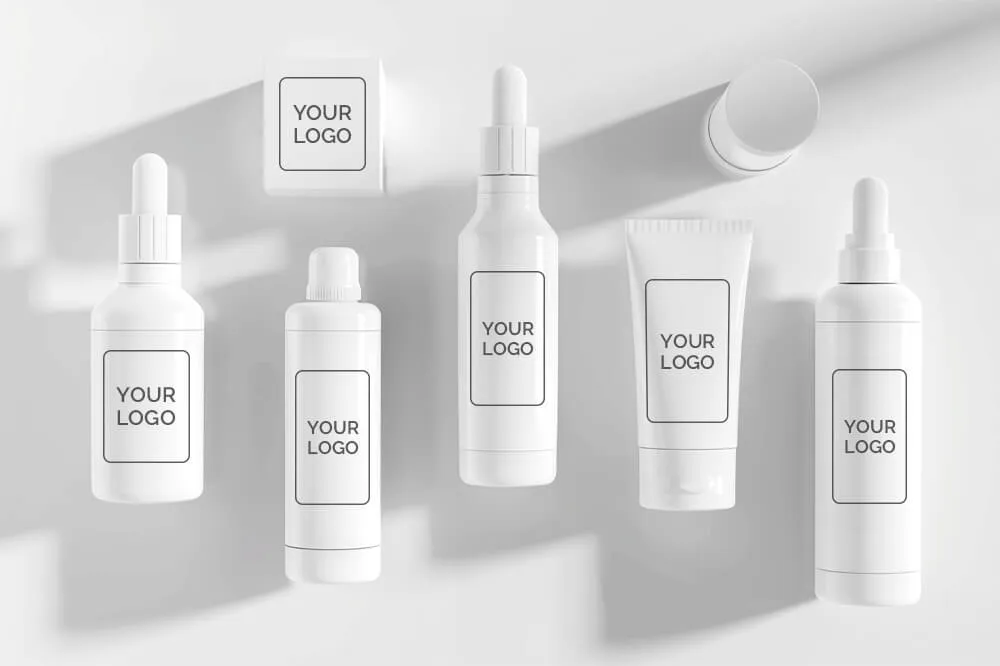
For most whitelabel launches, packaging is the first real product decision — buyers feel it before they experience the formula. Pump closures against jars matter for preservation as much as looks; primary packaging has to protect the product's shelf life, not just the shelf.
My rule of thumb: spend your customization budget on the details users touch every day — closure feel, visual weight, the words on the label — before spending it on secondary packaging nobody keeps.
Minimum viable artistry: where to spend, where to save
The most common whitelabel failure I see is not bad chemistry — it is a brand that tried to launch six products at once with the same money that should have launched one great one. A tight line of two to three products, each with a clear reason to exist, beats a full catalog of me-too items every time.
Wherever the money is thin, put it into the hero product's formula and its first impression, because a whitelabel line grows on one repeatable great experience, not a wide launch.