A formulator's guide to sunscreen: balancing protection, texture and comfort
Rahmita Paramita Sudirman
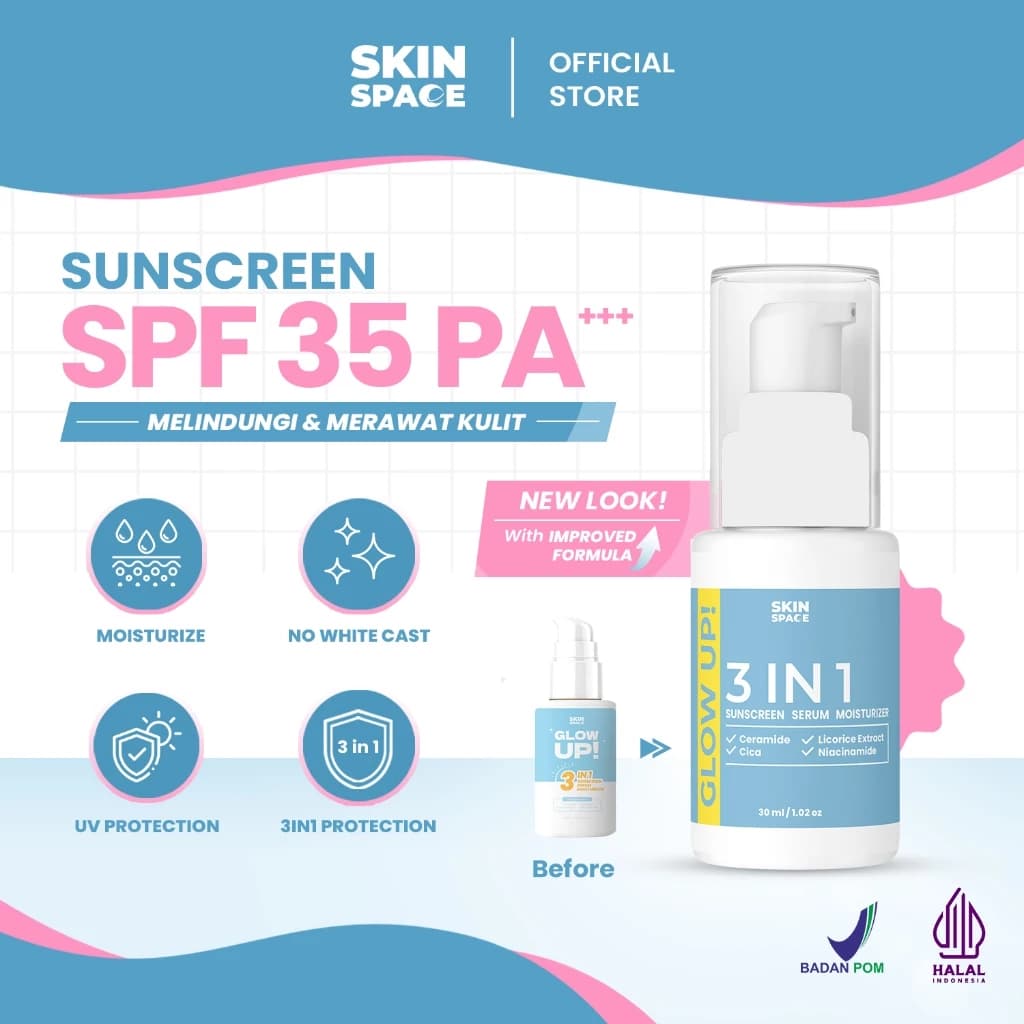
SPF is a floor, not a finish line
SPF 30 or 50 is only the start of sunscreen development; it says nothing about the experience. A product can test at an excellent SPF and still be abandoned forever after two sweaty days of feeling like a heavy sticky mask.
So I treat SPF as the floor and everything after it as shaping the wear. I never let a formula leave the lab just because it tests well in the machine when everyone who tries it wants to wash it off.
Texture is the real compliance engine
The best sunscreen is the one people actually wear every day, and compliance is mostly a texture decision. For SkinSpace I chased three things in that order: filters at the protection floor, a base that spreads thin without white cast, and a finish that behaves like skincare rather than like makeup.
That last point matters more than it sounds. When the finish leaves skin matte and silent, sunscreen stops being a chore and starts being the natural step before anything else — which is the whole point of daily protection.
Mineral or organic filters? It depends.
Zinc-oxide formulas have earned their reputation for sensitive and reactive skin, but they bring white cast and textural weight. Modern organic filter blends spread nearly invisible and still hit excellent SPFs, which is why they dominate daily wear products — but they ask more of solubility and compatibility work.
There is no universal 'better' choice, only the right one for the person and the promise. Formulating both, and knowing when to pick which, is the actual skill.